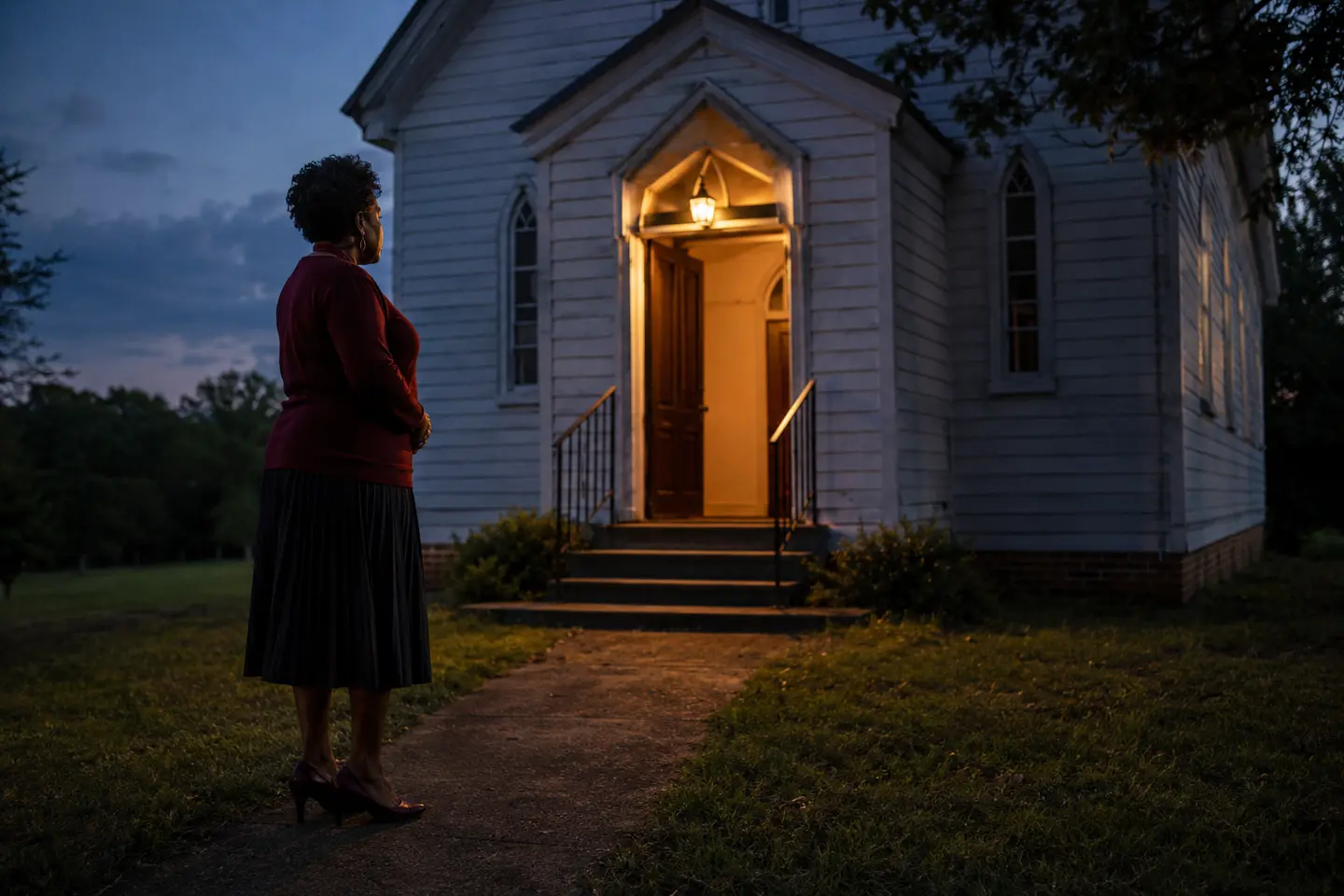
Love the body enough to name the wound
Read Matthew 18:15-20 without using devotion to the church as a reason to deny what happened inside it. The body of Christ is worthy of love, truth, protection, correction, and patient repair precisely because it belongs to Christ.
Jesus gives a graduated process for ordinary sin and conflict while serious danger may require immediate safeguarding and civil reporting. A faithful community does not confuse silence with peace or reputation management with unity.
KJV SCRIPTURE THREADMatthew 18:15-20Read the complete passage before reducing it to a conclusion about church conflict needs a direct path before it becomes a crowd.
↗Put authority back under Christ
Church authority is stewardship, not possession. Leaders remain accountable to Scripture, shared oversight, truthful records, safeguarding, lawful responsibility, and the people affected by their decisions. Spiritual language cannot turn domination into service.
This is the iron inside the velvet glove. The truth should be strong enough to confront us, but it should not be carried with contempt, ego, or delight in another person's shame.
The church does not become holy by hiding the wound. Holiness brings the wound into truth, care, accountability, and repair.
Accountability is a form of neighbor-love
Good process distinguishes rumor from testimony, confession from coercion, forgiveness from restored access, and reconciliation from the removal of wise boundaries. Serious harm may require qualified pastoral, legal, medical, mental-health, or safeguarding support outside the immediate circle.
Grace protects the possibility of repentance. Justice protects people from being required to finance somebody else's redemption with their safety.
- Read Matthew 18:15-20 and name what it states before building an inference.
- Put the central concern in your own words: Jesus gives a graduated process for ordinary sin and conflict while serious danger may require immediate safeguarding and civil reporting.
- Test this proposed practice for truth, wisdom, and neighbor impact: Choose the correct channel and stop recruiting an audience for a matter they cannot resolve.
- Notice who carries the cost, then choose an action that can be honest, observable, and accountable.
Build a repair people can verify
Choose the correct channel and stop recruiting an audience for a matter they cannot resolve. This is not a performance of arrival. It is one accountable act of obedience that can be named, attempted, reviewed, and repaired.
Document the next step, who owns it, when it will be reviewed, and how affected people can speak without retaliation. Repair is more than a moving apology. It is changed access, changed practice, honest restitution, transparent follow-through, and fruit over time.
KJV SCRIPTURE THREADActs 6:1-7A community hearing a neglected complaint and changing its structure
↗ROOM TO SIT WITH IT
Questions for prayer, journaling, or honest conversation.
- 01
What assumption does "Church Conflict Needs a Direct Path Before It Becomes a Crowd" ask me to test against the whole passage?
- 02
Where does this truth confront my desire, use of power, speech, habit, or responsibility?
- 03
What would it cost or change to take this practice seriously before the week ends: Choose the correct channel and stop recruiting an audience for a matter they cannot resolve.
WRITER’S NOTEWritten from lived faith and careful study, not from a claim of pastoral office or private revelation.