Begin with the text, not the product
Luke 1:1–4 gives the primary reading for this practice. Orderly presentation is joined to careful knowledge of what has been received. Read the whole chapter before using a worksheet, journal, card, map, poster, streak, or plan. The tool is useful only when it keeps returning attention to what Scripture actually says.
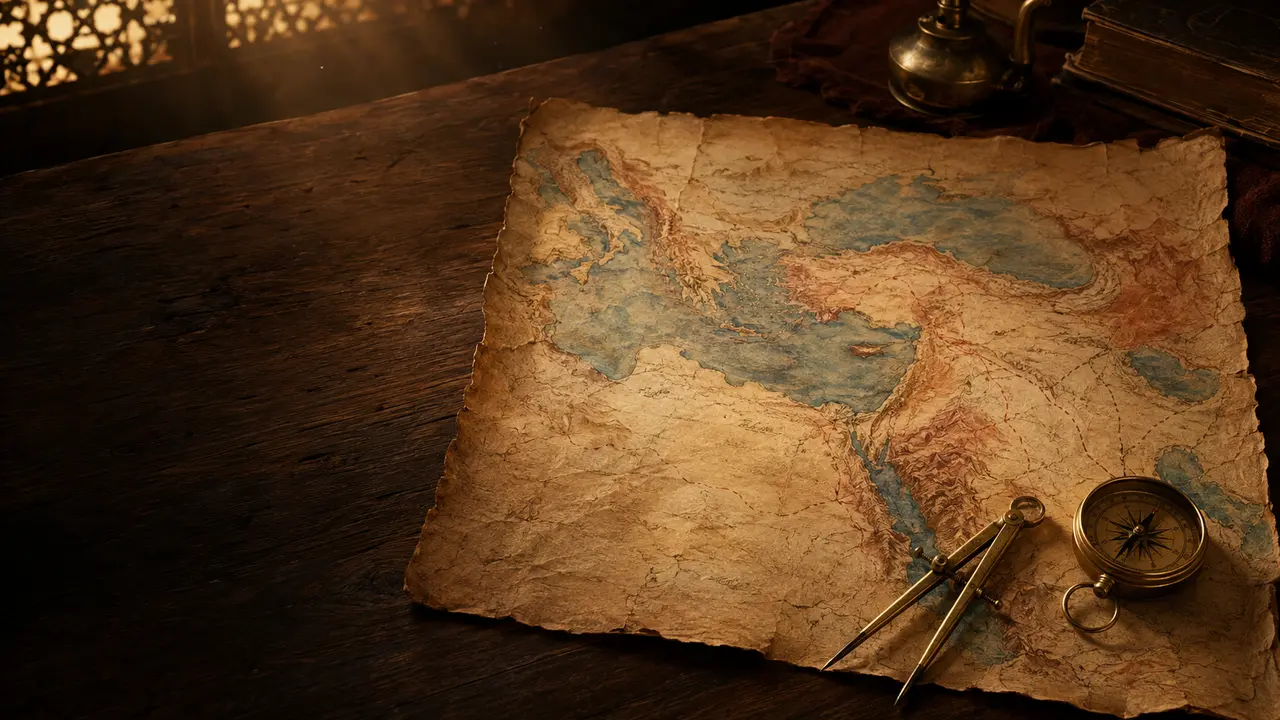
Maps answer where; timelines answer when; neither can decide theology by itself. Cite the textual anchor, distinguish direct evidence from reconstruction, and explain how the visual helps read the passage.
KJV SCRIPTURE THREADLuke 1:1–4Orderly presentation is joined to careful knowledge of what has been received.
↗Use a bounded practice that can be repeated
A repeatable practice makes the next faithful action visible without pretending to complete the entire work. Keep the unit small enough to finish, record what remains unresolved, and return with the same honesty the next time.
For students, teachers, pastors, and families, clarity matters more than decorative complexity. State the outcome, identify the passage, distinguish observation from interpretation, and make the handoff to prayer, conversation, care, or action explicit.
- Put the Scripture citation beside the route or event.
- Use solid, dotted, and question-marked lines consistently.
- Name the source and date of external historical data.
- Teach what remains true even if one disputed location changes.
Keep the guardrail visible
Do not present one proposed Exodus route, date system, tribal boundary, or ancient city identification as unanimous when responsible disagreement exists.
KJV Visualized separates the free Scripture reader from paid original formatting, visual design, guided study, protected editions, and licensed ministry utility. A paid tool can save preparation time and create a durable handoff; it cannot replace the Bible, mature judgment, accountable community, or professional help where those are needed.
A faithful map can clarify movement while admitting where the route, boundary, or date remains debated.
Return with a companion passage
Acts 17:26–27 keeps the practice connected to a wider biblical witness. Places, peoples, boundaries, and seeking God appear within the biblical witness.
Read the companion passage after completing the practice and write one sentence explaining the connection. If the connection cannot be shown from both contexts, revise the claim rather than forcing the texts to agree with a prepared conclusion.
KJV SCRIPTURE THREADActs 17:26–27Places, peoples, boundaries, and seeking God appear within the biblical witness.
↗ROOM TO SIT WITH IT
Questions for prayer, journaling, or honest conversation.
- 01
What does the text clearly locate?
- 02
Which line is reconstruction rather than quotation?
- 03
Does the lesson survive an alternate scholarly proposal?
WRITER’S NOTEPrepared by the CrownThrive editorial system and published under accountable human review. Scripture quotations and references remain distinct from editorial guidance.