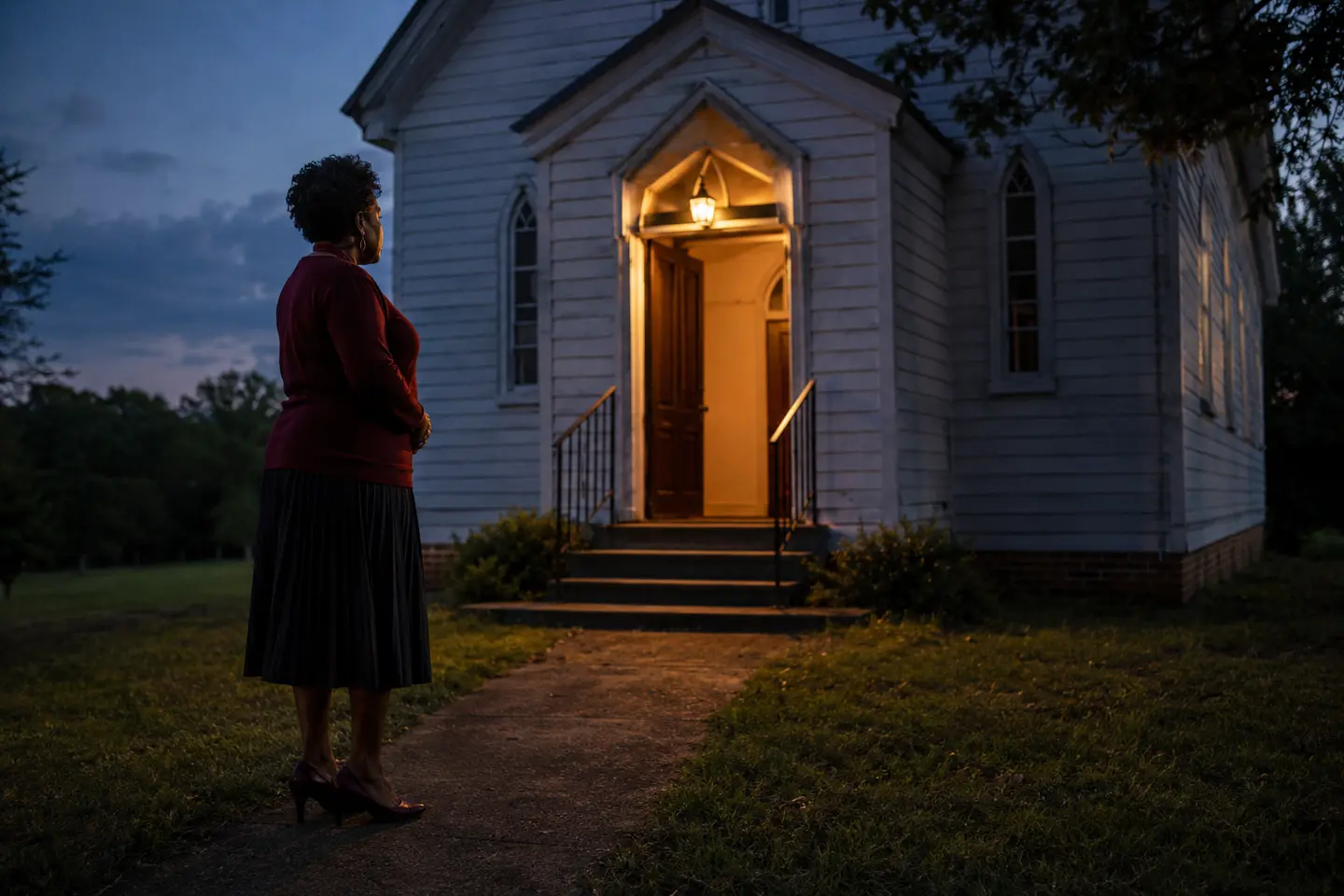
What happened in church still happened
A sanctuary does not make manipulation holy. A title does not make control shepherding. A verse used out of context can still wound. If people lied, protected power, exposed private pain, demanded silence, or treated questions as rebellion, naming that is not an attack on God.
The church is called Christ’s body. That makes harm inside it more serious, not less. We should expect repentance, protection, humility, and repair from people who teach the Word.
KJV SCRIPTURE THREADEzekiel 34:1–16God confronts shepherds who feed themselves and neglect the flock
↗Your nervous system may remember before your theology speaks
A song, hallway, phrase, or leadership style can bring the old moment back before you have words for it. That does not make you faithless. It means the experience left a mark.
Give yourself permission to move slowly. Prayer, Scripture, qualified counseling, trusted relationships, and practical boundaries can work together. You do not owe anyone a dramatic return story for their comfort.
God does not need you to call harm healing just to protect a church’s image.
Healthy community can be examined
Look for leaders who can answer questions without punishing the questioner. Look for financial and relational accountability. Watch how the church treats children, women, elders, disabled people, people without money, and anyone who cannot improve its image.
Listen for the difference between conviction and control. Conviction points us toward truth and responsibility. Control makes one human voice impossible to challenge.
- Are concerns documented, investigated, and answered responsibly?
- Can leaders apologize without turning the apology into a sermon about themselves?
- Are safety policies visible and practiced?
- Does the community make room for lament as well as celebration?
Shepherd willingly, not for gain, not as lords, and with humility
↗You are allowed to seek a different room
Forgiving a church does not always mean returning to that church. Sometimes faithfulness means finding a healthier congregation, a smaller group, or a season of supported recovery while you rebuild trust.
Do not let the failure of people convince you that Christ is identical to the way they represented Him. Keep the distinction clear. Stay close to the Word. Let safe people help you remember that community can be honest, accountable, and kind.
KJV SCRIPTURE THREADActs 20:17–38Tender leadership, public and private teaching, vigilance, work, tears, and care for the flock
↗ROOM TO SIT WITH IT
Questions for prayer, journaling, or honest conversation.
- 01
What happened, and what spiritual language was used to minimize it?
- 02
What would safety and accountability look like before I consider returning?
- 03
Who can help me distinguish God’s character from a leader’s failure?