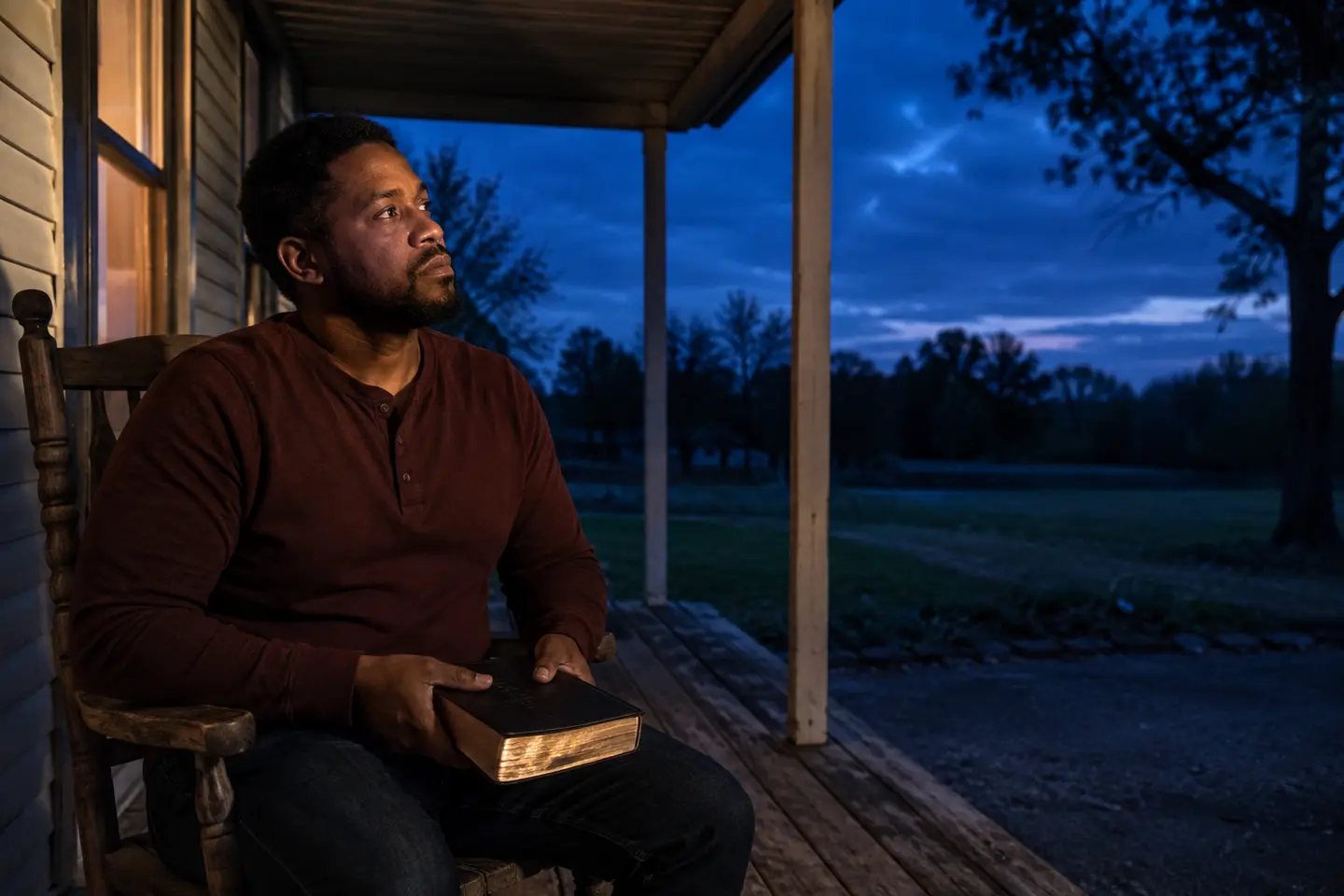
The Bible leaves the questions on the page
Job asks why. Habakkuk asks how long. The writers of the Psalms ask where God is, why the wicked prosper, and whether mercy has been forgotten. The father in Mark 9 brings belief and unbelief in the same sentence. Scripture could have cleaned all of that up. It did not.
That matters because a faith community becomes unsafe when it only welcomes conclusions. People then learn to hide the very questions that need light, patience, and careful reading.
KJV SCRIPTURE THREADMark 9:14–29A desperate father brings belief and unbelief to Jesus together
↗Not every question is rebellion
Some questions are shields. We ask them to avoid obedience or to win a room. Other questions come from grief, contradiction, betrayal, or a mind that refuses to call confusion clarity. Wisdom learns the difference without shaming the person asking.
A sincere question says, ‘I am still here. Help me see what I am missing.’ That posture does not demand that God fit inside our understanding. It admits that our understanding needs formation.
A church that cannot hold a question will eventually teach people to hide their wounds behind correct answers.
Give the question a faithful place to work
Write the question clearly. Read the whole passage, not only the verse that seems to answer it. Compare the genre, setting, speaker, audience, and later biblical use. Ask what the text states, what it implies, and what we may have inherited from habit rather than Scripture.
Then bring the question into wise community. Choose people who can say ‘I do not know’ without becoming careless, and who can offer conviction without using certainty as theater.
- Name the real question instead of the church-safe version.
- Separate what the text says from what a tradition assumes.
- Let clearer passages help with harder ones without flattening either.
- Keep character, context, and the whole witness of Scripture in view.
The Bereans receive the word and examine the Scriptures daily
↗The goal is not to become impossible to challenge
Mature faith is not fragile, but it is teachable. It can confess that a prior reading was shallow. It can distinguish God from the poor ways people have represented Him. It can repent when Scripture has been used as a weapon for ego, control, or silence.
You do not need to rush every question into a slogan. Keep walking. Keep reading. Keep praying. Let the question become a window instead of a wall.
KJV SCRIPTURE THREADHabakkuk 1–3Complaint, watchfulness, answer, and trust under pressure
↗ROOM TO SIT WITH IT
Questions for prayer, journaling, or honest conversation.
- 01
What question have I edited because I feared how believers would receive it?
- 02
Am I seeking truth, avoiding obedience, or trying to protect myself from disappointment?
- 03
Who has shown enough humility and depth to sit with this question faithfully?